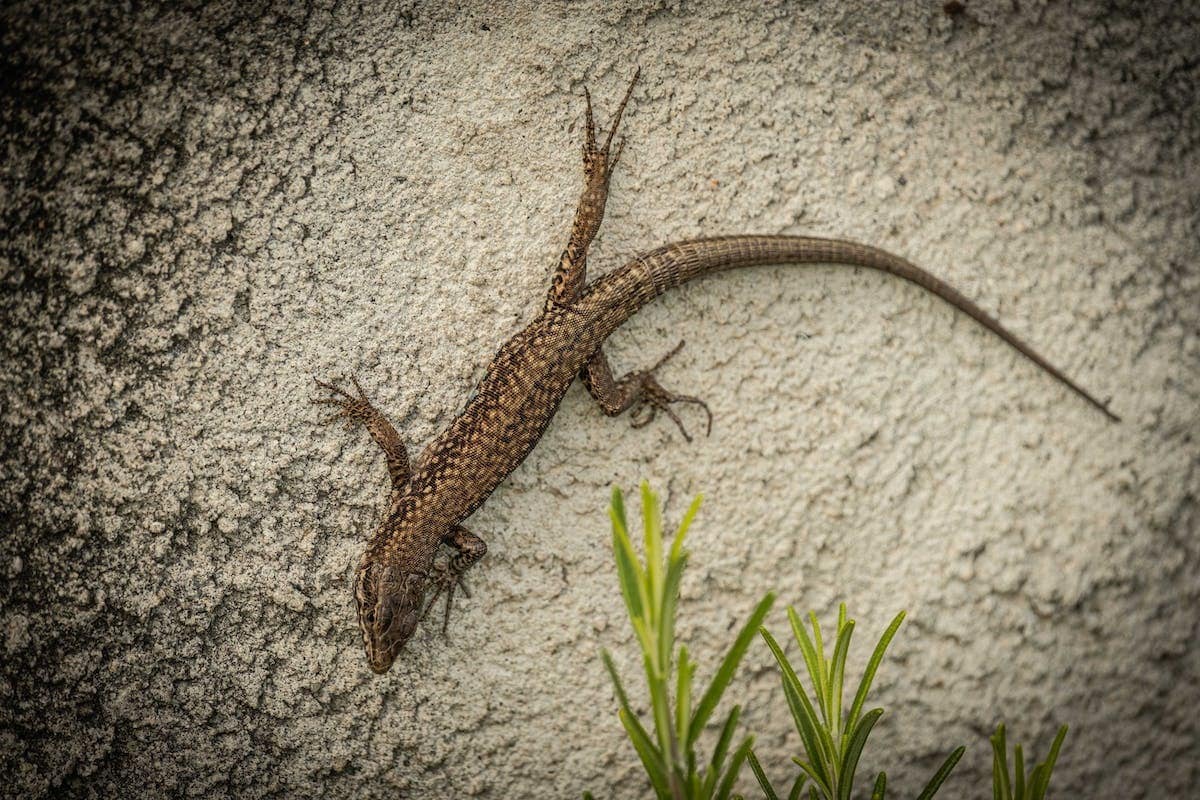
It is not uncommon to have unexpected guests in our homes, particularly in warm or tropical regions. Among these guests, lizards are quite frequent. So, what should you do when a lizard decides to settle in your living space? How can you manage its presence in a humane and respectful way for the animal? There are certainly steps to follow to handle this situation effectively and without stress. This involves understanding the animal, its needs, and its behavior, as well as a respectful and non-harmful approach to relocating it.
Lizards at home: how to spot them
In the context of managing the presence of a lizard in your home, understanding the reasons behind its intrusion is essential. Some might see the appearance of such a reptile as a positive sign, as these creatures are known for their ability to control pest insect populations. You should consider the term ‘lizard home danger’ when discussing this topic.
Lizards are attracted to our homes for several main reasons: a constant food source—usually insects or spiders—and a safe refuge from predators and adverse weather conditions. They often prefer the warm and humid environments that can be found around or inside many homes.
But where exactly does the ‘lizard home danger’ reside? Several factors need to be considered here. Although most common lizards are completely harmless to humans, some may carry various types of parasites that could be potentially harmful to our health or that of our pets.
Even if one does not specifically fear their bite or even their mere physical contact, their regular presence within the household can create real psychological discomfort, potentially leading to ongoing stress for some residents sensitive to their unusual appearance.
Let’s not forget that they can cause some material damage to your personal belongings; isolated nibbling on softwood furniture or sudden appearances causing accidental falls of fragile objects are not uncommon when cohabitation occurs between you and them.
To limit the infamous ‘lizard home danger’, always keep your space as clean and tidy as possible to avoid excessive attractiveness to the pests they primarily feed on. Sealing all potential cracks used by these curious animals to access your interior is also crucial.
However, let’s remember: all these tips will be in vain if you live in an area where the local lizard population is dense; in this particular case, it would be better to call in specialized professionals who guarantee a sustainable solution without additional health risks associated with non-animal welfare-respecting ‘do-it-yourself’ solutions that may simply be ineffective.
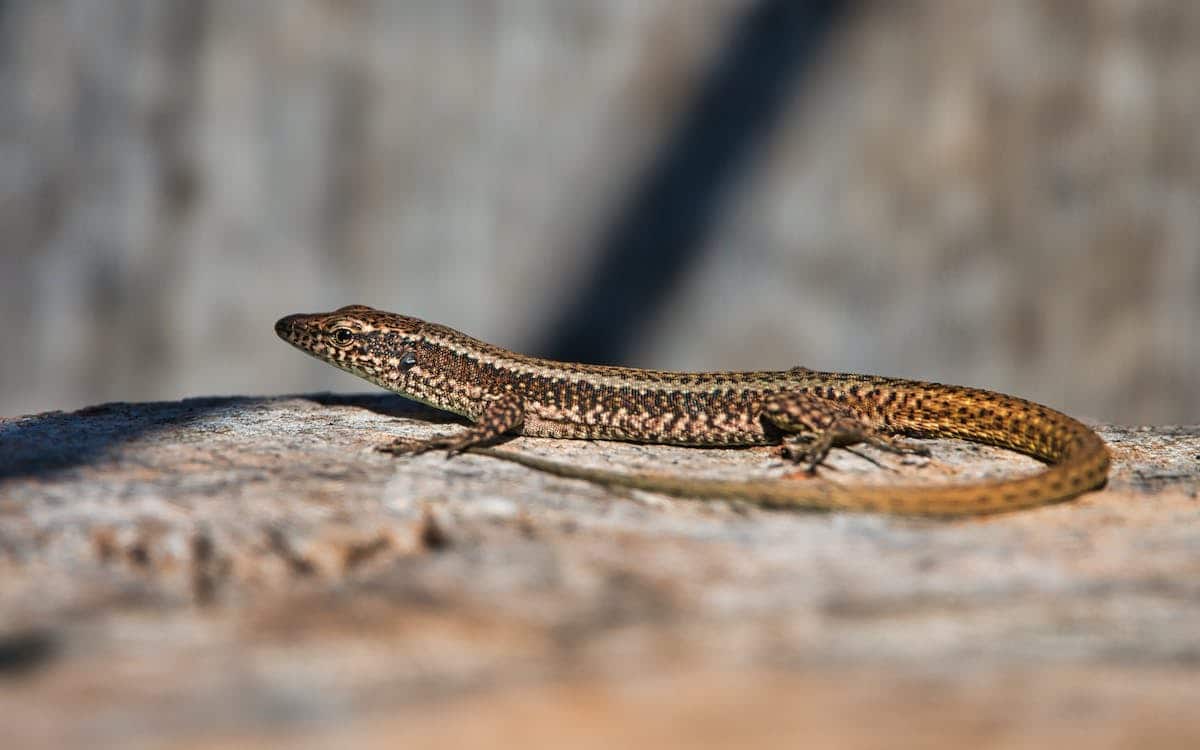
Why do lizards invite themselves into your home
Implementing preventive measures is key to effectively managing the presence of a lizard in your home. Here are some practical tips to help you protect your home from these unwanted visitors.
Start by thoroughly inspecting the exterior of your home. Look for any openings or cracks through which a lizard might enter. You need to properly seal all potential entry points, whether at doors, windows, or even the roof. You can use silicone or any other suitable material to block these passages and thus prevent lizards from accessing your home.
Make sure to keep your living spaces clean and well-maintained. Debris and piles of leaves can serve as ideal hiding spots for lizards. By regularly cleaning your garden and removing any piles that might offer them shelter and food, you will significantly reduce their appeal.
You should discourage lizards from approaching. They are more active when darkness falls, and good lighting can therefore help limit their intrusion near your home.
Inside your home, also take some appropriate measures against the ‘lizard home danger’. Ensure that all your food areas are well-sealed with appropriate lids to prevent lizards from accessing them. Store your food items carefully and make sure to keep them in places inaccessible to these reptiles.
If despite all these precautions, you still notice the regular presence of lizards in your home, it may be necessary to call in a specialized professional in pest management. They will be able to assess the situation and propose suitable solutions to effectively eliminate or repel these unwanted intruders.
You should note that the use of chemical repellents should be approached with caution to minimize any impact on the environment and human health. Prefer non-toxic and animal welfare-respecting methods whenever possible.
By following these preventive measures, you can significantly reduce the risk of lizard infestation in your home. Keep in mind that a proactive approach will allow for more effective and sustainable management of this specific issue.
Preventing the presence of lizards at home: effective solutions
Once you have taken all the preventive measures necessary to prevent the entry of lizards into your home, it may happen that an individual still finds its way inside your dwelling. In such a situation, think about safe capture methods to remove the lizard and release it safely outside.
The first step is to stay calm. Lizards are generally harmless and tend to flee from humans. So avoid panicking or having abrupt reactions that could frighten the lizard further and cause it to hide in an inaccessible place.
To effectively capture the lizard, use a gentle yet firm method. You can use a thick glove or a clean towel to gently catch the reptile, being careful not to hurt it or cause it additional stress. Once you have managed to grasp the lizard, hold it carefully so that it cannot escape.
Capture lizards without harming them!
Once you have captured the lizard, it is crucial to release it outside your home appropriately. Choose a location that offers a suitable environment for its survival, such as a garden or a nearby wooded area.
Ensure that the outside temperature is suitable for the lizard. If the weather conditions are extreme, such as during the hottest hours of the day or in very cold weather, wait for more favorable moments to release the reptile.
When you are ready to release the lizard, hold it gently but firmly and head towards the chosen location. Be sure to maintain a secure grip on it throughout the process to avoid any unexpected escape.
Once you arrive at the destination, gently place the lizard on a stable surface and allow it to take its bearings. It may need some time to adjust to its new environment before resuming its exploration.
Release lizards outside safely
Once you have successfully captured the intrusive lizard in your home and released it into an appropriate outdoor environment, you need to take measures to maintain an unattractive environment for lizards. This will help deter any other individuals from entering your home.
You should keep your home clean and well-maintained. Lizards are attracted to places where they can find food and shelter. Therefore, make sure your surfaces are regularly cleaned to eliminate any traces of dirt or debris that could serve as a food source.
Likewise, be sure to seal all cracks or potential openings through which lizards could enter your home. Thoroughly inspect the foundation, exterior walls, and all pipes, cables, and ducts that enter your house. Use materials such as caulking or fine mesh to prevent their passage.
Regulate humidity within your home. Lizards tend to be more active when it is hot and humid. Therefore, ensure adequate ventilation in your rooms to avoid excessive humidity buildup. Also, use dehumidifiers if necessary to reduce ambient humidity.
Adopting repellent plants can be an effective solution to discourage lizards. Certain plants such as lavender, rosemary, or geranium have naturally repellent properties for these reptiles. Feel free to place them in your garden or on your terrace.
If despite all these precautions you continue to see lizards in your home, it is advisable to call in a specialized professional in managing unwanted wildlife. These experts will be able to identify specific issues related to lizard intrusion and propose suitable solutions.
By following these various steps and maintaining an unattractive environment for lizards, you will be able to effectively manage their presence and protect your home from any future intrusion. Be persistent and make sure to regularly apply these preventive measures to avoid any further inconvenience.
An inhospitable habitat for lizards: how to maintain it
After taking the necessary steps to eliminate the presence of the lizard in your home, it is crucial to implement some additional precautions to avoid any new intrusion.
The first thing to do is to maintain good indoor hygiene. Regularly clean your home, ensuring to eliminate all debris and food scraps that could attract lizards. Also, make sure your trash cans are tightly closed to prevent them from becoming accessible food sources.
Consider choosing appropriate materials such as silicone or fine mesh to block these unwanted passages.
Landscaping around your home can also play a crucial role in preventing lizard intrusions. Remove any objects that could provide hiding spots and shelters for reptiles, such as piles of wood, dead leaves, or rocks. Also, make sure to regularly cut the tall grass to eliminate their natural habitat.
If you have a vegetable garden, consider using a specific fence to protect your crops from potential invasions. Lizards are often attracted to certain types of food such as insects and small fruits. A fine mesh or netting fence can help prevent their access to the plants.
If despite all your precautions you continue to encounter lizards in your home, it would be wise to call in a professional specialized in managing nuisance wildlife. These experts have the knowledge and tools necessary to identify underlying causes and implement more advanced measures to permanently eliminate the problem.
Managing the presence of a lizard in your home requires some perseverance and the regular application of these preventive measures. By carefully following these essential steps, you will be able to effectively protect your habitat against any unwanted intrusion. Be patient and keep in mind that a proactive approach is crucial to maintaining a lizard-free environment.