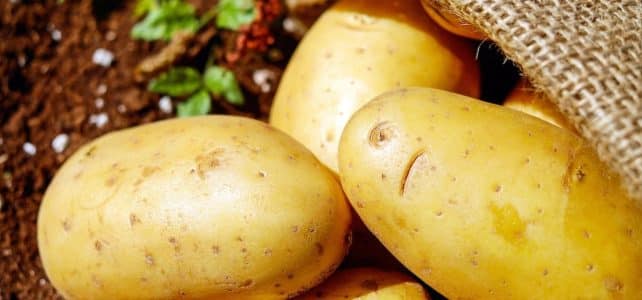
Let’s dive into the heart of fertile fields where potatoes thrive under the watchful eye of farmers. Could it be that the abundance of the harvest depends on something as simple as watering? Yet, agricultural science reveals that it is not so much the quantity, but the quality of the water, its timing, and its distribution that can make all the difference. Overflowing with secrets and subtleties, watering potatoes is an art in itself. It is time to explore its mysteries and unveil how this humble practice can foster an incredibly generous harvest.
Potatoes: the ideal varieties for optimal watering
To maximize the fruiting of tubers, potato watering must be done with care and precision. Overwatering can lead to root rot and encourages the development of fungal diseases. It is therefore recommended to adopt a regular but moderate watering approach while ensuring a constant soil moisture level.
The use of a drip irrigation system or porous hoses has proven effective in potato watering. These systems allow for even distribution of water close to the roots and thus prevent waste through evaporation.
The growth phase of the plants plays a crucial role when it comes to potato watering. During the first weeks after planting, care must be taken to ensure that the plants are well-rooted in the soil. As they grow, the amount of water will be gradually increased at each session while spacing them out more.
Ideally, potato watering should be done early in the morning rather than late in the evening or during the hottest hours of the day to reduce the risk associated with various diseases caused by prolonged moisture on the leaves.
Finally, it is advisable after each potato watering session to place a good thick layer of organic mulch around the plants, which will help not only to maintain moisture but also to limit excessive evaporation throughout the day.
If all these practical tips regarding potato watering are followed rigorously, they guarantee an abundant harvest where quality rhymes with exceptional flavor.
Potato watering: techniques for optimal growth
In the quest for an abundant potato harvest, it is crucial to know the mistakes to avoid during watering. Indeed, certain practices can compromise the growth and development of tubers. Here are some tips to avoid falling into these traps.
An excessive watering must be avoided at all costs. Potatoes need a moist soil but not waterlogged. Too much water can lead to poor root aeration, thus promoting the development of fungal diseases such as blight. It is therefore better to regularly check the soil moisture before watering to avoid any unnecessary surplus.
It is important to maintain a certain regularity in watering. A prolonged lack or excess can have detrimental consequences on the health of the plants and their ability to produce sufficient tubers. Careful monitoring and rigorous follow-up are necessary to maintain a constant moisture level without falling into excess.
Another common mistake is watering during the hottest hours of the day or late in the evening. These times are unfavorable as they also promote the development of diseases related to excessive moisture on the leaves, such as rust or septoria. Instead, prefer morning watering when temperatures are cooler and allow the foliage to dry quickly.
It is worth mentioning the importance of organic mulch. This thick layer of plant material placed around potato plants not only helps maintain constant moisture but also prevents excessive water evaporation. It also plays a role in combating weeds that could compete with the plants.
It is essential to distinguish the different growth phases of the plants. Water needs vary throughout the cycle, so the amount of water should be gradually increased as the plants grow and develop.
To achieve an abundant and flavorful harvest, it is crucial to avoid certain mistakes when watering potatoes. By adopting a balanced, regular approach that is attentive to the specific needs of the plants, you will maximize your chances of a fruitful harvest.
Errors to avoid: watering potatoes the right way
To maximize the harvest and quality of potatoes, there are some simple but effective tips to apply. It is important to respect crop rotations. Avoid replanting your potatoes in the same spot each year to prevent the emergence of diseases specific to successive crops. Proper rotation will also help balance the nutrients present in the soil.
The use of a drip irrigation system can be very beneficial for optimizing potato watering. This system allows for a precise and regular distribution of water directly to the root, thus limiting disturbances caused by splashes on the leaves or surrounding foliage.
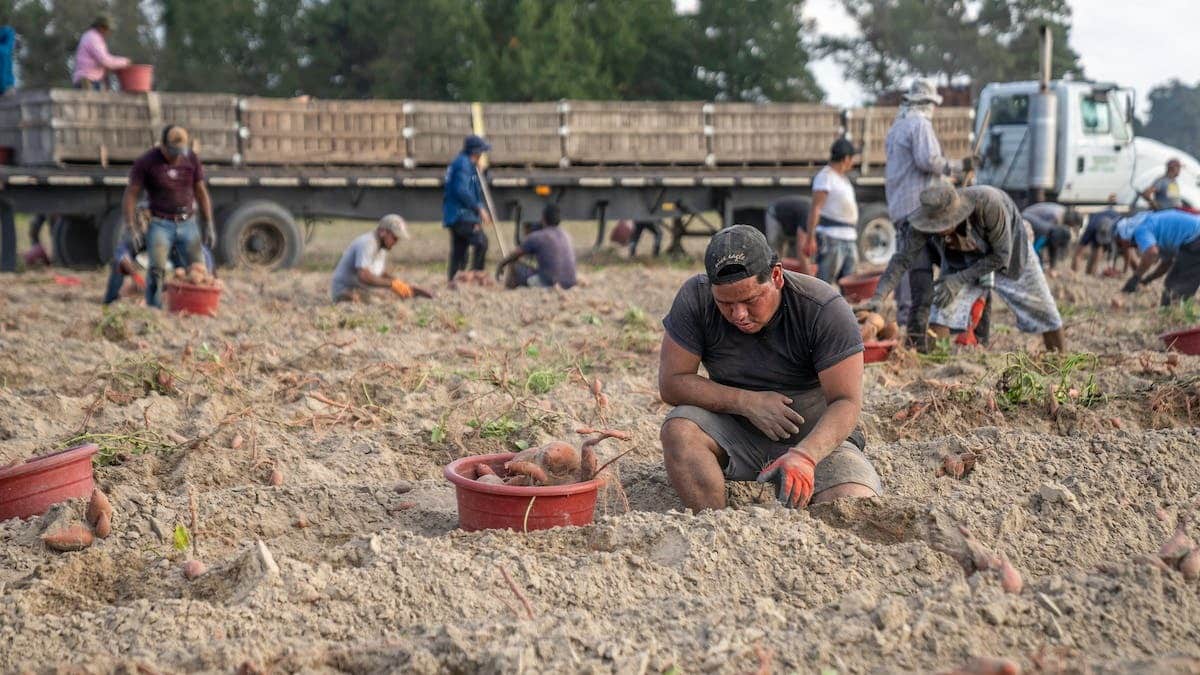
A often overlooked but essential tip is to harvest potatoes at the right time. Waiting for the foliage to yellow and dry naturally before harvesting will allow the tubers to fully mature. This will ensure better flavor and texture of the potatoes.
By following these tips, you will maximize your chances of obtaining an abundant and high-quality harvest. With a little attention and appropriate practices, you can fully enjoy the gastronomic benefits offered by the delicious potatoes grown in your own garden.
Potato harvest: tips for maximum quality
When it comes time for potato watering, you must take into account factors such as growth, weather conditions, or the type of soil. An overabundance of water can lead to tuber rot, while a prolonged water deficit can harm the development of the plants.
A commonly used method to assess water needs is to monitor soil moisture. You should maintain a moisture level of about 70% to keep a good balance between enough water to promote growth and avoid any harmful excess.
Beyond frequency and quantity, it is crucial to mention the critical importance of choosing the appropriate watering system. Sprayers or sprinklers can be used, but they tend to wet not only the foliage of the plants but also the surrounding soil. This can promote certain problems such as fungal diseases or even cause excessive loss through evaporation.
Watering potatoes requires special attention to avoid any water imbalance. By following these wise tips, you will be able to provide the necessary care for your plants and achieve an abundant harvest of delicious and flavorful potatoes.