Changing a simple furniture layout can enhance the perception of space without requiring any renovations. The color of a wall influences the brightness of a room far more than the size of the windows. Some inexpensive materials offer greater longevity than costly alternatives, challenging preconceived notions about quality.
The assembly of disparate elements sometimes creates a harmony that coordinated sets never achieve. Old rules lose their relevance in the face of current needs, while forgotten tips make all the difference today.
How to find inspiration to imagine an interior that reflects you?
To bring forth impactful ideas, more than just a simple spark is needed. Observing, collecting, deciphering what surrounds us: this is the true fuel of decor inspiration. It’s difficult to improvise a style without browsing patterns, palettes, and details gathered here and there. A pattern spotted on a page, a shade captured while traveling, the light gliding over the stone of an old wall… Each fragment nourishes a project that gradually takes shape.
Pinterest, the king of visual patchwork, churns out a flow of images and trends. Specialized magazines invite a step back: they analyze, cut through, and multiply perspectives on the art of living, often with a sharp eye that challenges the norms.
Decor books go further. They tell the evolution of styles, unveil a story, and enrich aesthetic vocabulary. They invite us to appropriate a culture, to invent our own grammar. Yet, nothing replaces the inspiration gleaned outside the pages: a detail in a guesthouse, a play of materials in an unknown café, and the desire to transform everything suddenly imposes itself in the living room or kitchen.
To ensure these intuitions don’t get lost, the moodboard becomes essential. This visual board, a mix of colors, textures, objects, and materials, lays the groundwork for the project and allows for clear choices. One confronts their desires, refines, and discards. Scandinavian, industrial, bohemian, or minimalist styles serve as reference points, but ultimately, each interior tells a story that belongs only to it. To expand these ideas, visiting Ma Maison Info enriches the reflection. It offers a panorama of ideas and advice for shaping every project, from the most modest to the most ambitious.
Essential tips to transform every room without breaking the bank
Transforming the ambiance of a space requires precision. It’s not about randomly stacking objects but carefully reading volumes, circulation, and light to compose a cohesive atmosphere. Natural light, too often relegated to the background, changes everything. Arranging furniture to capture rays, choosing light curtains, multiplying accent lamps: these simple gestures shape the softness of an interior, from sunrise to sunset.
Color also makes a difference. Repainting a wall, daring a contrast or a bright shade in the kitchen can metamorphose the space and energy of the place. Investing in responsible paints or easy-to-apply wallpapers allows for bold choices without overspending.
Furniture must respond to each configuration. Favoring modular pieces, accent furniture, or accessible custom options is investing in flexibility. Vintage or transformed furniture opens a creative playground without blowing the budget. As for accessories, they define the personality of the home: a cushion, a rug, a piece of art on the wall, and the ambiance changes completely. Sometimes, a single detail is enough to give the room a new breath.
Here are some guidelines to structure your project without unpleasant surprises:
- Define a precise budget, always allowing a small margin for unforeseen expenses: it’s better to anticipate than to curb your enthusiasm mid-project.
- Choose accessories that make sense: a graphic plant in the bathroom, a contemporary painting at the entrance, each object can tell a story.
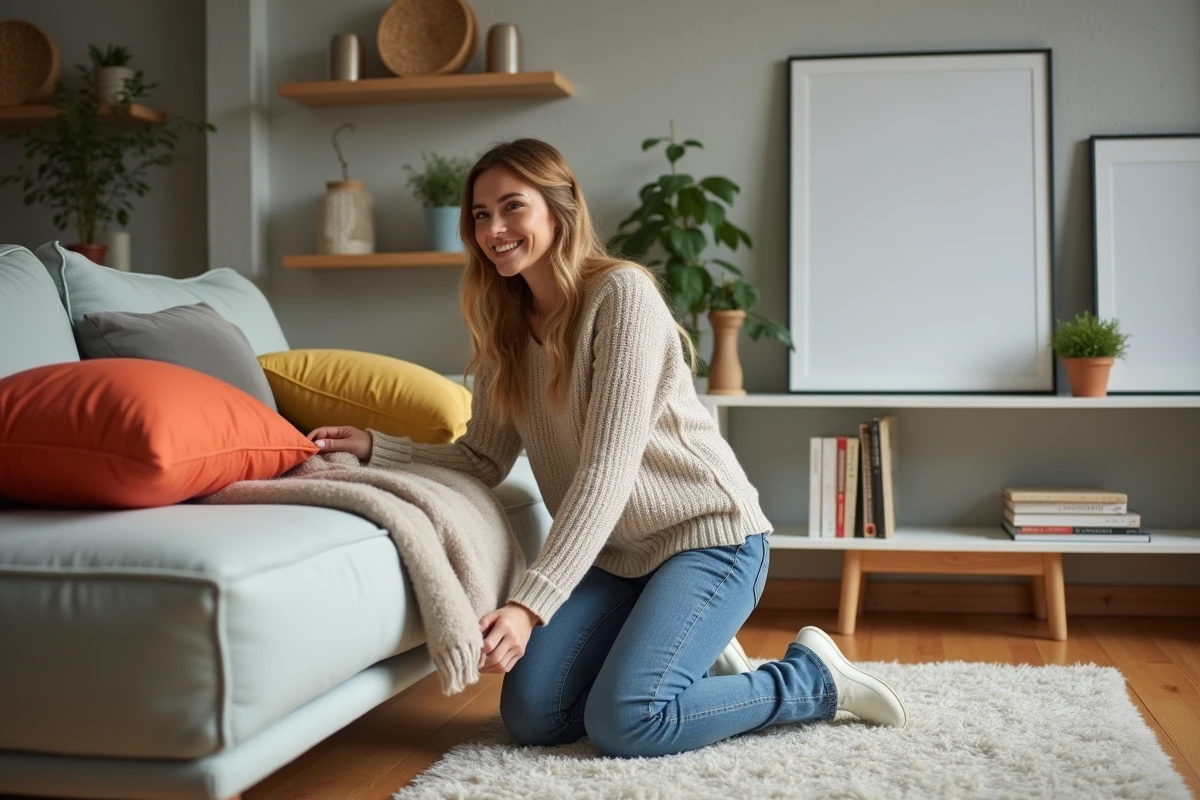
- Play with the layout to create distinct spaces, even in a small area: moving a sofa, adding a shelf, and the room takes on a new dimension.
If the project expands or covers large areas, relying on an interior architect or decorator can multiply the possibilities. Their external perspective refines the harmony while respecting budget and timing constraints.

DIY, upcycling, and personalization: simple ideas for unique and accessible decor
Creating a decoration that looks unlike any other doesn’t necessarily involve buying new furniture or objects seen everywhere. Repurposing, transforming, getting hands-on: these are the true drivers of a unique interior. Finding a dresser, repainting it with natural colors, giving it reclaimed handles, and then placing it in a reimagined corner with raw materials: this exercise gives character while remaining accessible.
Personalization also expresses itself in accessories. A handmade cushion, curtains dyed artisanally, a rug made from fabric scraps… These items embody the story of the home, far from industrial déjà-vu. Plants, in turn, infuse a lively dynamic. Hanging, on DIY shelves, in thrifted pots, they transform the atmosphere and offer a constantly evolving decor.
To clarify ideas or coordinate desires, the moodboard remains an indispensable ally. It gathers images, samples, colors, materials, to weave a common thread between DIY projects, upcycling, and personal touches. This simple method makes each transformation coherent and gives the whole a true signature. Ultimately, more than just a layout, it’s an entire art of living that is built, both creative, thoughtful, and deeply personal.