
Some social devices create invisible boundaries: they automatically exclude those who accumulate multiple aids, without distinction. The inflation bonus of 100 euros, established in 2021, is an exception to the rule. It disregards the usual criteria: the source of income, professional situation, or family composition do not matter. Beneficiaries of the AAH or PCH can access it, subject to specific conditions, and without having to go through multiple procedures.
The payment schedule varies depending on the paying organization. This diversity sometimes generates duplicates, delays, or misunderstandings, especially for those who fall under multiple regimes. The terms and eligibility criteria differ from usual aids, regularly fueling questions about the true access to this exceptional aid.
Who is the 100 euro inflation bonus for people with disabilities aimed at?
The 100 euro inflation bonus is aimed at individuals receiving an adult disability allowance (AAH), a disability compensation benefit (PCH), or a disabled child education allowance (AEEH). This device supports those whose disability situation significantly impacts their autonomy or involves a loss of autonomy. Both adults and children are concerned, provided they meet the criteria defined by social legislation in France.
In practical terms, any person with a disability receiving aid related to a permanent incapacity or to the compensation of a disability, through a public organization, automatically falls within the eligibility scope. Families receiving the AEEH for a disabled child are also taken into account. The advantage of this system? It avoids the multiplication of administrative procedures: the payment is made without additional requests, directly to the bank account registered with the family allowance fund or the paying organization.
Going through the departmental house for people with disabilities (MDPH) or the commission for rights and autonomy (CDAPH) is often necessary for the recognition of rights to autonomy. The bonus is not conditioned by age, professional status, or income level: the receipt of a specific allowance is sufficient. Learn more on Bien et Vous: the dedicated page details the schedule and criteria for awarding the bonus for people with disabilities.
What steps to take and when to expect the payment?
Obtaining the 100 euro inflation allowance does not require any additional steps for people with disabilities. No forms to fill out, no files to compile: the system relies on the automatic transmission of rights between the departmental house for people with disabilities (MDPH), the commission for rights and autonomy (CDAPH), and the paying funds. Organizations like the CAF or MSA identify beneficiaries based on their already validated status.
The payment is made in a single transaction, in the form of a bank transfer. For those receiving the AAH, PCH, or AEEH, the arrival of the amount is automatic, and no intervention is required from the beneficiary. The schedule varies depending on the fund: most often, the bonus is paid between mid-January and the end of February. Visit the CAF or MSA website to check the progress of your file.
Here are the points of vigilance to observe for a smooth payment:
- Check the accuracy of your bank details with the paying organization: a simple error could delay the transfer.
- Consult your bank statement during the indicated period to spot the payment.
In some cases, the fund sends an information message when the payment is made. For any questions about your situation, contact the departmental house for people with disabilities or check your online space on the CAF or MSA website.
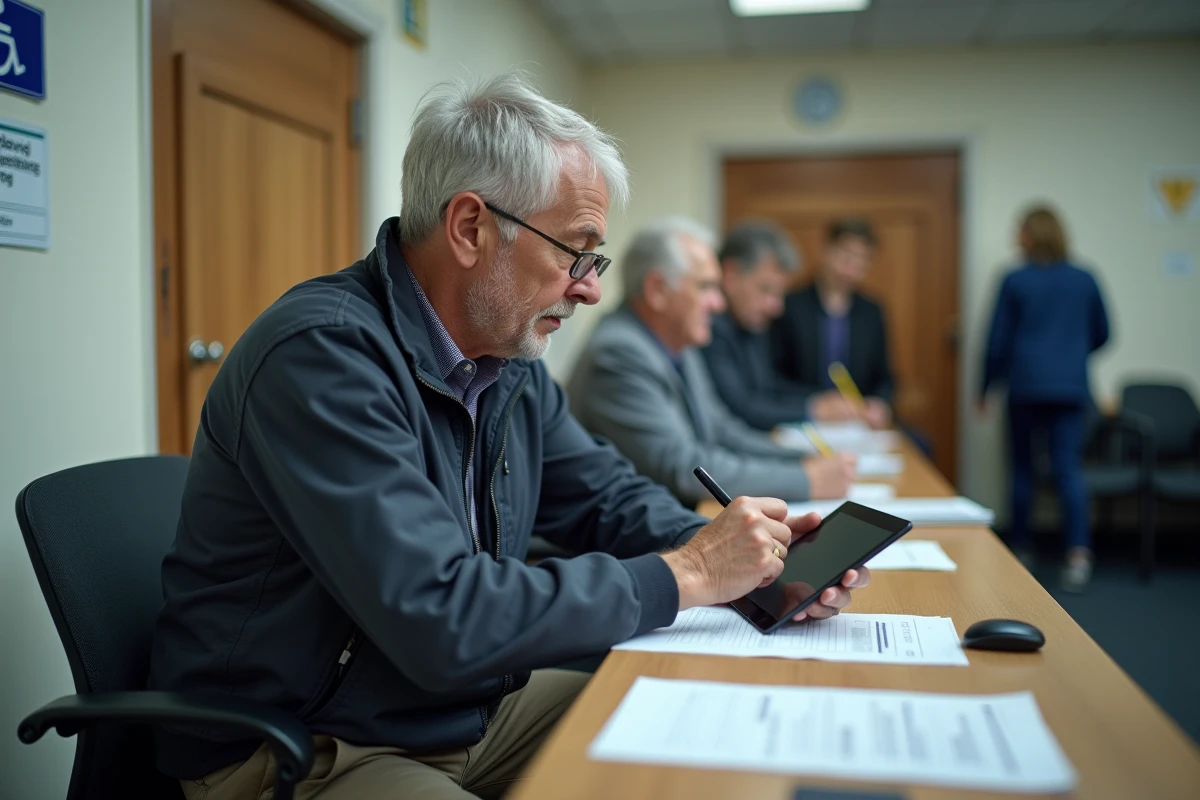
Overview of other aids and rights accessible in addition to the bonus
The 100 euro inflation bonus provides a one-time boost, but it is just one element of a much larger set. Several devices, subject to conditions, exist to enhance purchasing power and simplify the daily lives of people with disabilities.
At the heart of this system, the disability compensation benefit (PCH) covers expenses related to the loss of autonomy: human assistance, adaptation of housing or vehicles, acquisition of specialized equipment. Families of affected children can rely on the disabled child education allowance (AEEH) and its supplements, intended to cover specific needs over time. For situations of permanent incapacity to work, the disability pension may intervene, sometimes in addition to other aids.
Among the associated rights, we also mention the mobility inclusion card, which facilitates access to transportation and public places, or APL to reduce housing costs. The recognition of the status of disabled worker (RQTH) opens the door to specialized support, particularly for employment and workplace adaptation. Finally, local authorities offer assistance based on resources to maintain autonomy at home.
To apply for these benefits, the individuals concerned or their relatives should contact the departmental house for people with disabilities (MDPH). Pathways evolve, rights adjust, complement, and strengthen, always responding better to the specific needs of each situation. Each aid, each support contributes to creating a slightly smoother, slightly freer daily life.