The home, a haven of peace for the family, can harbor unsuspected dangers for the little ones. The arrival of a baby or the presence of young children transforms the perception of everyday spaces. Suddenly, table corners, electrical outlets, and household products become potential threats. Being a parent involves rethinking the domestic environment to prevent accidents. Simple precautionary measures, such as installing safety gates or keeping hazardous substances out of reach, can significantly reduce risks. Sharing home safety tips becomes essential to protect children and ensure their development in a secure setting.
Preventing Domestic Risks: Simple Actions for Children’s Safety
The baby, a naturally curious being, begins to explore the world within the home, a place filled with insidious risks. Domestic accidents, incidents dreaded by all parents, often occur in unsuspected places. To ensure the safety of the youngest, a few preventive actions are necessary. Maman-bebes.fr emphasizes the importance of these daily actions that, while not complex, require vigilance and consistency. Home safety tips for babies and children should not be improvised but anticipated with discernment.
Domestic Accidents: The baby is exposed as soon as they start crawling and exploring their surroundings. To limit risks, secure electrical outlets with appropriate covers and store sharp or dangerous objects out of reach. Constant supervision is essential, and learning first aid skills can prove crucial in case of an accident. Advice and training are available from many specialized organizations that can provide you with the necessary tools for effective protection.
Safety should be a priority in every room of the house. In the kitchen, where one in four domestic accidents occurs, make sure to turn pot handles inward on the countertop and secure cabinets containing cleaning products. In the living room, corner protectors can prevent bumps. The bathroom, on the other hand, requires special attention: never leave a baby alone in the bath, even for a brief moment. For the bedroom, ensure that toys are free from choking hazards and that furniture is well anchored to avoid tipping. As for stairs, safety gates and barriers should be installed to prevent falls.
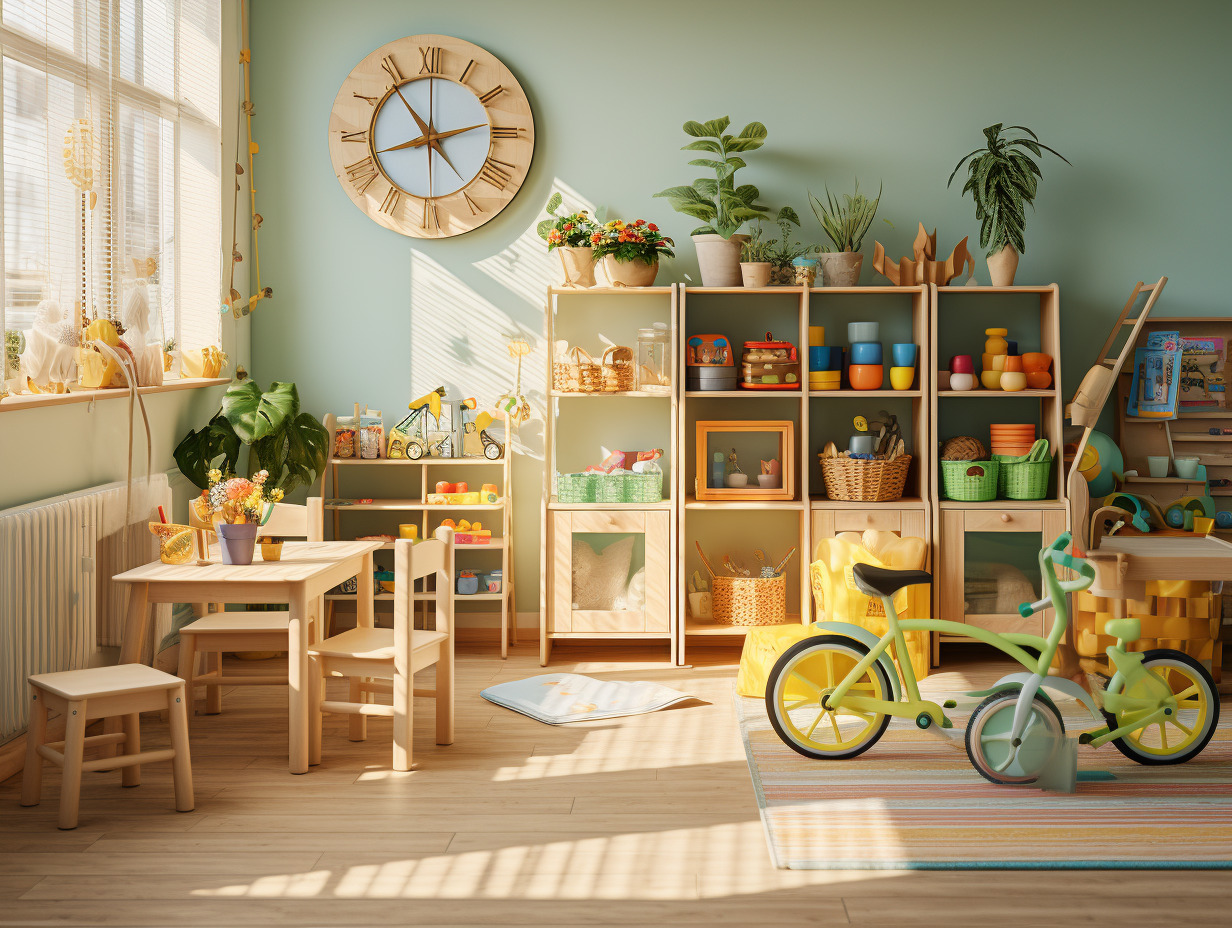
Safety Equipment and Best Practices Room by Room
Kitchen Safety: The kitchen, a hub of culinary activities, is also where one in four domestic accidents occurs. Prevent these potential accidents by using safety devices for household appliances and placing cleaning products out of reach. Ensure that sharp utensils are stored safely and that pot handles do not extend beyond the countertop to prevent children from grabbing them.
In the living room, a common area where babies spend many awake moments, furniture corners pose a danger to moving little ones. Opt for corner protectors and ensure that items that could tip over are secured. Small decorative objects, which could be ingested, should be placed out of reach, high up, away from curious children.
The bathroom: An intimate space that requires extreme attention. A child should never be left unsupervised there, especially during bath time. Non-slip accessories placed at the bottom of the bathtub and locks for medicine cabinets are essential measures not to be overlooked. Water temperatures must be rigorously controlled to prevent burns.
Regarding the bedroom, ensure that toys meet safety standards to prevent choking hazards and that furniture likely to tip over is securely fastened to the wall. Night lights should be checked to avoid any risk of overheating or short-circuiting.
Stairs must be equipped with sturdy safety gates, installed at both the top and bottom, to prevent falls. In the garden, vigilance is crucial, especially if a pool is present. Alarm systems and barriers are essential to keep drowning dangers at bay. Take these measures to create a secure environment where children can thrive without risk.