Let’s dive into the rich past of the Arabic alphabet, a set of 28 letters that serve as keys unlocking a millennia-old history. This array of graphic signals, evolving over the centuries, has shaped communication, art, and culture in the Arab world, from the earliest inscriptions carved in the desert to the illuminated manuscripts of the Islamic period. Each letter, with its distinctive shapes and unique aesthetics, is a sketch of the diversity and linguistic richness of the Arabic-speaking world, a journey that will take us through empires, centuries, and civilizations.
The Genesis of the Arabic Alphabet: History and Influences
The Arabic alphabet, with its rich and fascinating history, has transformed over the centuries. A question that often arises is: how many letters are in the Arabic alphabet? The answer is simply 28. This number constitutes the exact count of letters that today form this alphabet.
It may be surprising to learn that at its creation in the 4th century AD, this script had fewer letters than it does today. However, as the linguistic and cultural development of the Arab world progressed, it gained more richness.
Each letter added reflects a particular cultural movement: the incorporation of new foreign terms, literary advancements, or the multiplication of regional dialects requiring distinct written transcription.
It is also worth noting that not all letters have a uniform usage in every dialectal or regional variety. Certain letters, for example, find more use in a Moroccan dialect compared to classical Arabic.
And if we also introduce diacritical marks (the dots placed above or below letters that modify their pronunciation), then the total count increases significantly!
The graphic complexity thus created has allowed this cursive script—where each letter changes according to its position in the word—to evolve into a true artistic calligraphic form respected worldwide for its recognized masters, its sought-after temporary exhibitions, and its thriving market.
So when asked ‘how many letters are in the Arabic alphabet’, remember well: there are precisely 28! But also keep in mind how they have transformed over time under various influences.
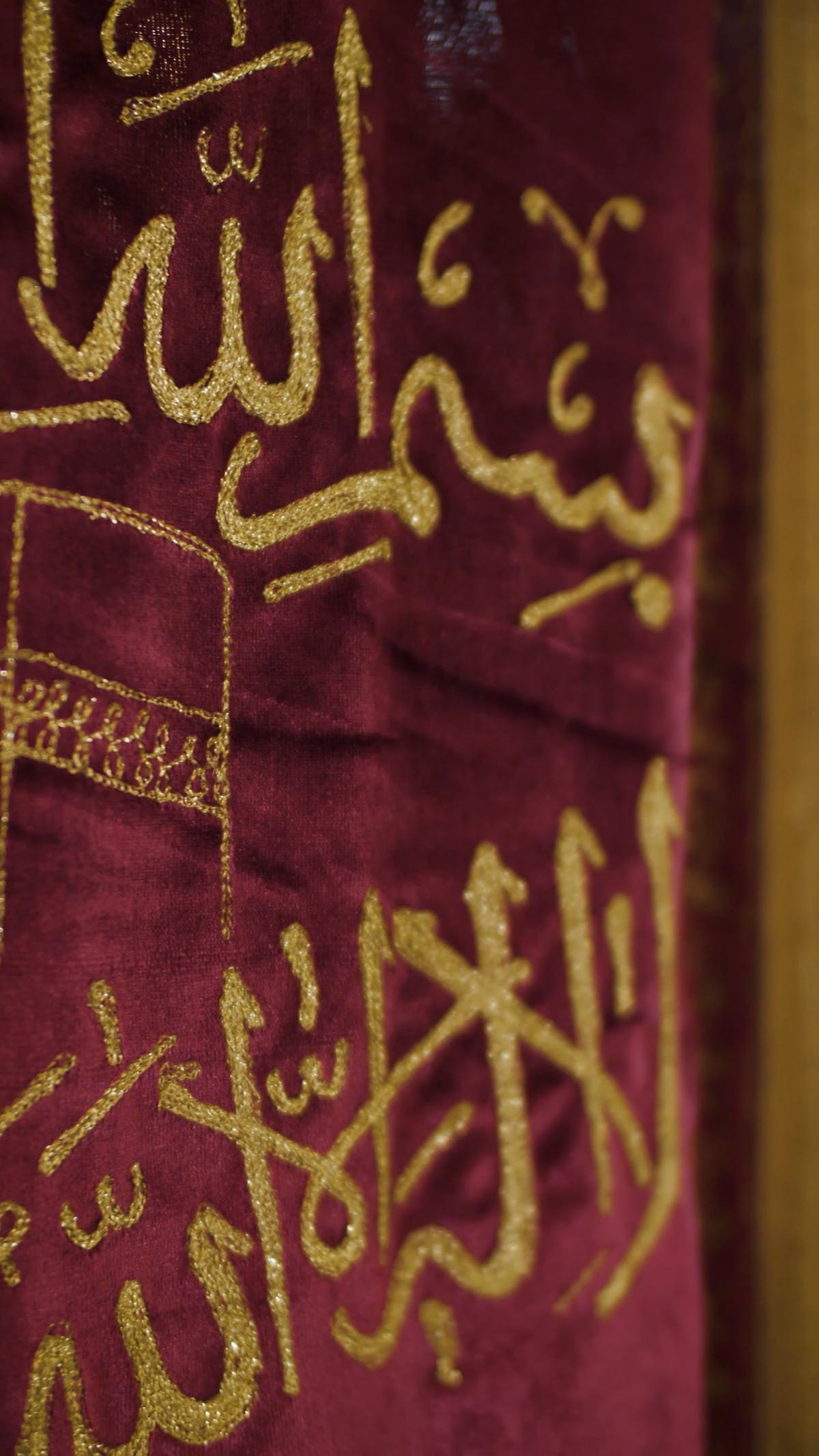
The Current Use of the Arabic Alphabet Around the World
In the previous article, we explored the origins and evolution of the Arabic alphabet. In this section, we will delve deeper into its contemporary use and its global reach.
For centuries, the Arabic language has held a prominent place in the Muslim world. Beyond this geographical space traditionally associated with the spread of the Arabic language and writing, there is now a notable presence in other regions of the globe.
The European colonial expansion in the 19th and 20th centuries led to a significant Arab diaspora in Europe and North America. Arabic-speaking communities have developed in cities such as Paris, London, and New York. This geographical dispersion has fostered not only the linguistic diffusion but also the cultural spread of the Arabic alphabet.
Additionally, Western universities now offer Arabic courses to meet the growing demand for learning. Students see it as a means to access a new language that also provides an enriched perspective on the Middle East and a better understanding of Arabic-speaking cultures.
Alongside this global expansion of the Arabic language, the Internet plays a major role in its rapid propagation. With modern technological advancements, it is now possible for people around the world to access social media or websites using their own native alphabet. Consequently, there has been a significant increase in the online presence of Arabic content, allowing for a broader dissemination of the Arabic alphabet.
The creative industries are also influenced by this enthusiasm for the Arabic language and culture. Music, cinema, and visual arts reflect this linguistic diversity and stimulate a growing interest in Arabic artistic productions on the international stage.
The Arabic alphabet continues to hold major importance in our contemporary world. Beyond its traditional use within the Muslim world, it is rapidly spreading across the globe thanks to the Arab diaspora and technological advancements. Learning Arabic thus becomes an essential means to understand different cultures and establish meaningful intercultural connections.