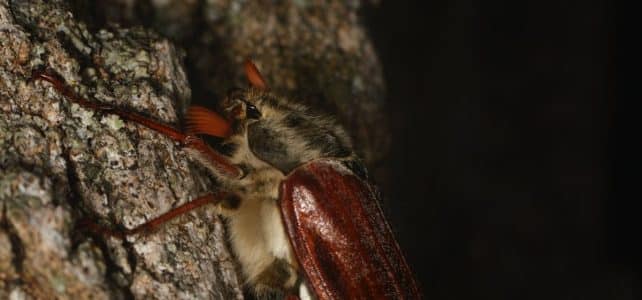
In the world of horticulture, a silent and creeping threat looms over fertile soils: the larvae of beetles. These small underground pests, insidiously destructive, cause considerable damage to crops and gardens, gnawing at roots and weakening the vitality of plants. In the face of the scale of this scourge, the challenge is twofold: how to detect their insidious presence? And how to eradicate them effectively? This is the dilemma we will attempt to resolve by exploring the warning signs to look for and the most suitable control solutions. A journey to the heart of the soil, meeting the invisible enemy.
Recognizing Beetle Larvae
The damage caused by beetle larvae is considerable and can lead to an ecological disaster in our well-maintained gardens. These parasites, in their larval stage, greedily feed on the roots of various types of vegetation, systematically weakening their terrestrial anchorage and severely compromising their development.
The harmful effect of beetle larvae is visible to the naked eye: foliage falling prematurely, seedlings suddenly yellowing, and a significant reduction in the yield of horticultural crops. The outlook is hardly encouraging for the amateur or professional gardener.
Beyond these obvious visual signals, beetle larvae also impact the very structure of the soil. By tirelessly digging their underground galleries in search of food, they disrupt the fragile balance of the subsoil. This incessant action can lead to significant soil compaction, greatly hindering the future growth of plants.
It then becomes crucial to quickly identify these pests in order to minimize their destructive effects on our precious green space. This leads us to ask: how can we effectively detect the treacherous presence of these beetle larvae? We will address this important question in the next section.
The Devastation of Beetle Larvae
The signals of the presence of beetle larvae are subtle but perceptible to a trained eye. Be sure to closely monitor their insidious presence.
A careful observation of the soil can provide us with valuable information. The galleries dug by the larvae manifest as mounds of soil and superficial soil crumbling. These small clumps of earth can be scattered all around the affected plants, forming a trail to follow closely.
Pay attention to exposed or damaged roots. If you notice that some seedlings appear wilted or are declining despite your diligent care, it could be the result of a sneaky underground attack by voracious larvae. A thorough examination may reveal the presence of excavations at the root level that betray the ongoing destructive action.
Another glaring indication would be the gradual deterioration of the lawn in your garden. The larvae eagerly feed on the roots of the grass, causing its gradual yellowing and premature death. Bare patches will then clearly appear on your well-maintained lawn.
A final noteworthy clue is the sudden appearance of burrowing animals such as moles in your garden. Moles are also happy to feed on beetle larvae and can indirectly indicate their presence if you observe a sudden increase in their activity.
To effectively detect beetle larvae, be sure to observe the soil, damaged roots, lawn decline, and the increased presence of burrowing animals—these are all signals that cannot be mistaken. Being alert to these signs will allow for an early intervention to eliminate these harmful pests before they cause irreversible damage.
In the next section, we will discuss the various methods for effectively eliminating beetle larvae and restoring the flourishing health of your garden.
Identifying Signs of Beetle Larvae Presence
In this section, we will explore natural methods to eliminate beetle larvae and restore balance in your garden without resorting to harmful chemical products.
Crop rotation: A simple yet effective method is to alternate your plantings each year. Beetle larvae have a preference for certain types of plants, particularly root vegetables such as carrots and potatoes. By regularly changing the location of crops, you disrupt the beetle’s reproductive cycle and thus reduce their population.
The use of the nematode Heterorhabditis bacteriophora: This tiny microscopic worm is a formidable natural enemy of beetle larvae. It feeds on harmful insects while respecting the soil ecosystem. To effectively use this nematode, simply purchase a strain containing these specific worms from a specialized supplier and carefully follow the provided instructions.
Mulching with hay or leaf litter: Beetle larvae are sensitive to light and prefer to remain buried in moist soil during the day. By using a thick mulch like hay or leaf litter in your garden, you create a hostile environment for these underground pests, forcing them to move to other areas where they will be more vulnerable to natural predators.
Companion planting with repellent plants: Some plants possess repellent properties for beetles. For example, tansy, marigold, or mint are known to deter these harmful insects. By interspersing these plants among your crops susceptible to beetle larvae, you increase your chances of protecting your plants.
Encouraging predatory birds: Birds such as blackbirds and magpies willingly feed on the beetle larvae found in your garden. It is therefore wise to create a welcoming space for these birds by installing appropriate nesting boxes and feeders so they can naturally help regulate the number of pests present.
By using these natural methods, you can effectively eliminate beetle larvae while preserving the ecological balance of your garden. Feel free to combine several techniques for optimal results and fully enjoy a healthy and flourishing outdoor space. In the final section, we will briefly discuss some simple preventive measures that will help avoid a future infestation of beetle larvae.
Eliminating Beetle Larvae Naturally
In this section, we will discuss chemical methods that can be used to effectively eliminate beetle larvae. These methods are often considered a last resort when natural solutions prove ineffective or insufficient.
The first commonly used chemical method is the use of insecticides containing neonicotinoid compounds such as imidacloprid and clothianidin. These products act by targeting the insect nervous system, leading to their death. It should be noted that these substances are also toxic to other beneficial insects and pollinators, as well as to birdlife.
Another chemical option is to use organophosphate insecticides such as chlorpyrifos or malathion. These products have a broader action on different types of insects by disrupting their enzymatic functioning. However, they also pose significant risks to human and animal health if not handled with care.
There are also systemic treatments to apply at the root level of the plants so that they absorb the insecticide and thus repel the beetle larvae that feed on them. This type of treatment can be effective but requires precise application according to the manufacturer’s recommendations.
It is important to emphasize that the excessive or inappropriate use of insecticides can negatively impact local biodiversity as well as our own health. These chemical methods should be used with caution and with an awareness of the potential consequences.
Before opting for chemical solutions, it is generally recommended to prioritize the natural methods described earlier. If you have exhausted all other options and the infestation of beetle larvae persists, it may be necessary to consider the controlled use of specific insecticides.
Chemical methods can be an effective but risky means of eliminating beetle larvae. It is essential to carefully weigh the pros and cons before choosing this option, and in any case, a reasoned use remains paramount to minimize their negative impact on the environment.
Chemical Treatments for Beetle Larvae
In this section, we will discuss the preventive measures to take to avoid the appearance of beetle larvae in your garden. Prevention is always more advantageous than cure, and this also applies to the infestation of these harmful insects.
Be sure to act to deter the presence of adult beetles that lay their eggs in the soil. To do this, limit sources of excessive moisture by maintaining good soil drainage and avoiding overwatering. Wet areas are particularly attractive to these insects.
Ensure the health of your plants by providing a nutrient-rich soil and adopting suitable cultural practices. Healthy plantings can better withstand attacks from pests such as beetle larvae.
The use of organic mulch on your flower beds can create a less favorable environment for the development of beetle larvae. Mulch acts as a physical barrier that prevents adults from laying their eggs directly in the soil.
Another preventive measure is to diversify your crops and alternate your plantings from year to year. By practicing crop rotation, you disrupt the biological cycle of the beetle and thus reduce its potential population.
Encourage the presence of beneficial animals in your garden, such as insectivorous birds, hedgehogs, or ground beetles. These natural predators feed on harmful insects, including beetle larvae.
By following these preventive measures, you can significantly reduce the risk of beetle larvae appearing in your garden. Be sure to adopt a proactive and sustainable approach to maintain a healthy ecological balance without harming local biodiversity.
Prevention is key to avoiding the infestation of beetle larvae. By adopting these simple yet effective measures, you protect your plants while preserving the environment. Stay vigilant and act as soon as you notice signs of a possible infestation to minimize the damage caused by these unwanted pests.
Preventing Infestation by Beetle Larvae
In this section, we will discuss the various methods for detecting and eliminating beetle larvae. Once you have identified the presence of these harmful insects in your garden, you must act to limit the damage.
The first step is to conduct a visual inspection of your soil. Beetle larvae are generally white or cream, C-shaped with a plump and segmented body. They are often found near the roots of plants or close to damaged areas.
Another effective method for detecting larvae is the use of a pheromone trap. These traps emit a chemical substance that attracts adults to the trap where they become caught. This allows you not only to identify the presence of adult beetles but also to get a clearer idea of the level of infestation.
Once you have identified the presence of beetle larvae in your garden, you must naturally eliminate them. Nematodes are microscopic worms that parasitize beetle larvae and gradually kill them. This method is eco-friendly and safe for the environment.
Another option is to use biological insecticides specifically designed to combat garden pests, including beetle larvae. Be sure to choose an environmentally friendly product and strictly follow the usage instructions.
Note that there are also natural solutions such as Bacillus thuringiensis, a bacterium that acts as an insecticide by specifically targeting the larvae of certain garden pests, including beetles.
It is important to note that each method has its advantages and limitations. Therefore, it is recommended to adopt an integrated approach by combining different methods according to the severity of the infestation and your preferences to ensure effective elimination of the larvae while best preserving your environment.
Effectively detecting and eliminating beetle larvae in your garden requires vigilance, patience, and prompt action. By adopting these various methods, you can protect your plants while maintaining a healthy ecological balance in your green space.